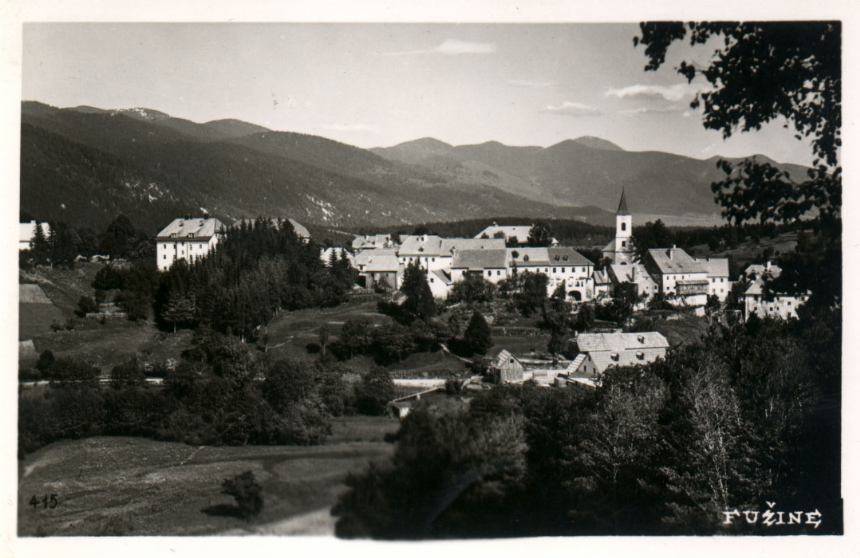
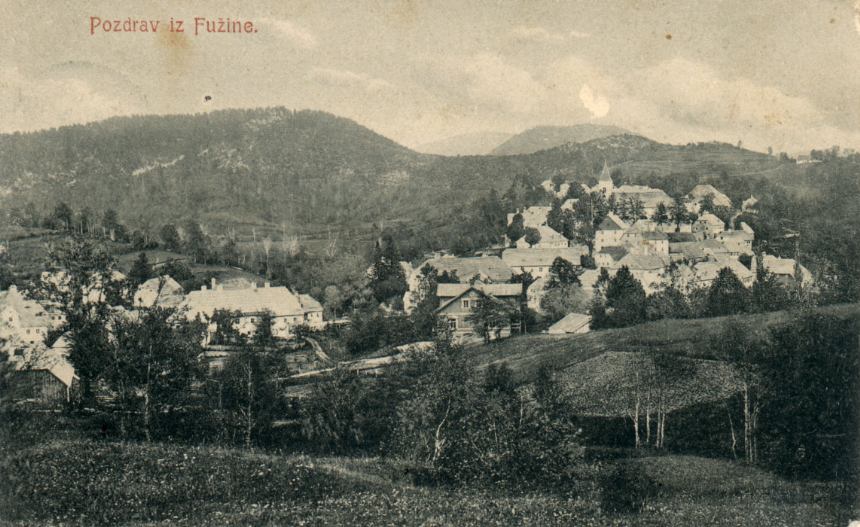
Fuzine is a well-known tourist destination with a very long tourist tradition that dates back to 1874, when history recorded the first organized arrival of guests who arrived by special trains from Susak, Rijeka and surrounding settlements. Even before that, on the Karolinska Road in 1737, on which Fuzine developed, there were “inns” and rest areas for caravans, so Fuzine is ranked among the oldest tourist destinations in Kvarner, Croatia and even Central Europe.
Origin
The Fuzine-Lika region is mentioned in documents very early as the property of the feudal lords Frankopan and later Zrinski. The name Lic is first mentioned on March 12, 1477 in the deed of gift of Martin Frankopan. Lic was settled on several occasions. The first settlement group moved out entirely, the second group mostly moved out, while the third stayed. The inhabitants at that time were mainly cattle breeders who started working in woodworking after the Zrinski family built a sawmill. Fuzine has had many names throughout history, such as Fucina, Fuccine, Fussine and Fuzina, which first appeared in 1648 in a letter from Danijela Porubeski. Fuzine was a mining and blacksmithing settlement, but due to the low amount of ore, it failed in this regard. In 1679, the Zrinski-Frankopan estate list mentions the “kurja u Fusina”, which proves that the possibility of overnight stays in Fuzine already existed then.
Growth and development
First information about the settlement of Fuzine is in 1715. due to the construction of the Karolinska road. By the end of the 18th century, all the settlements that make up today’s Fuzine Municipality were formed, such as: Belo Selo, Benkovac and Vrata. According to documents from the archives of the Republic of Croatia and Rijeka, it is concluded that Fuzine was created in the interests of traffic importance. The main function of Fuzine was a place for travelers to rest. In 1770, a postal service was organized in Fuzine. In 1785, the first elementary school was opened in Gorski kotar, which continues to this day. In 1786, plans began to build a waterway to Vienna, which resulted in the creation of Lake Bajer. That project was replaced by the construction of a hydroelectric power plant in 1938. Fuzine recorded its heyday in the 19th century with the modernization of houses, the construction of a forest in 1805 and the parish office in 1797.